
Overview
In partnership with Wix #WixPartner
A small business rarely has one huge operational problem. It has dozens of little jobs, all competing for the owner's attention. Follow up with this lead. Confirm tomorrow's appointments. Post something on social. Check that invoice. Research that competitor.
AI agents for small business are built to take responsibility for more of those workflows, so you stop managing every task by hand. Symphony by Wix wix.com is a good example of what this looks like when a whole team of agents works together. Below I cover how agents differ from the AI tools you probably use today, which parts of a business they can help with, and how to set up an agent team in Symphony by Wix.
What is an AI agent?
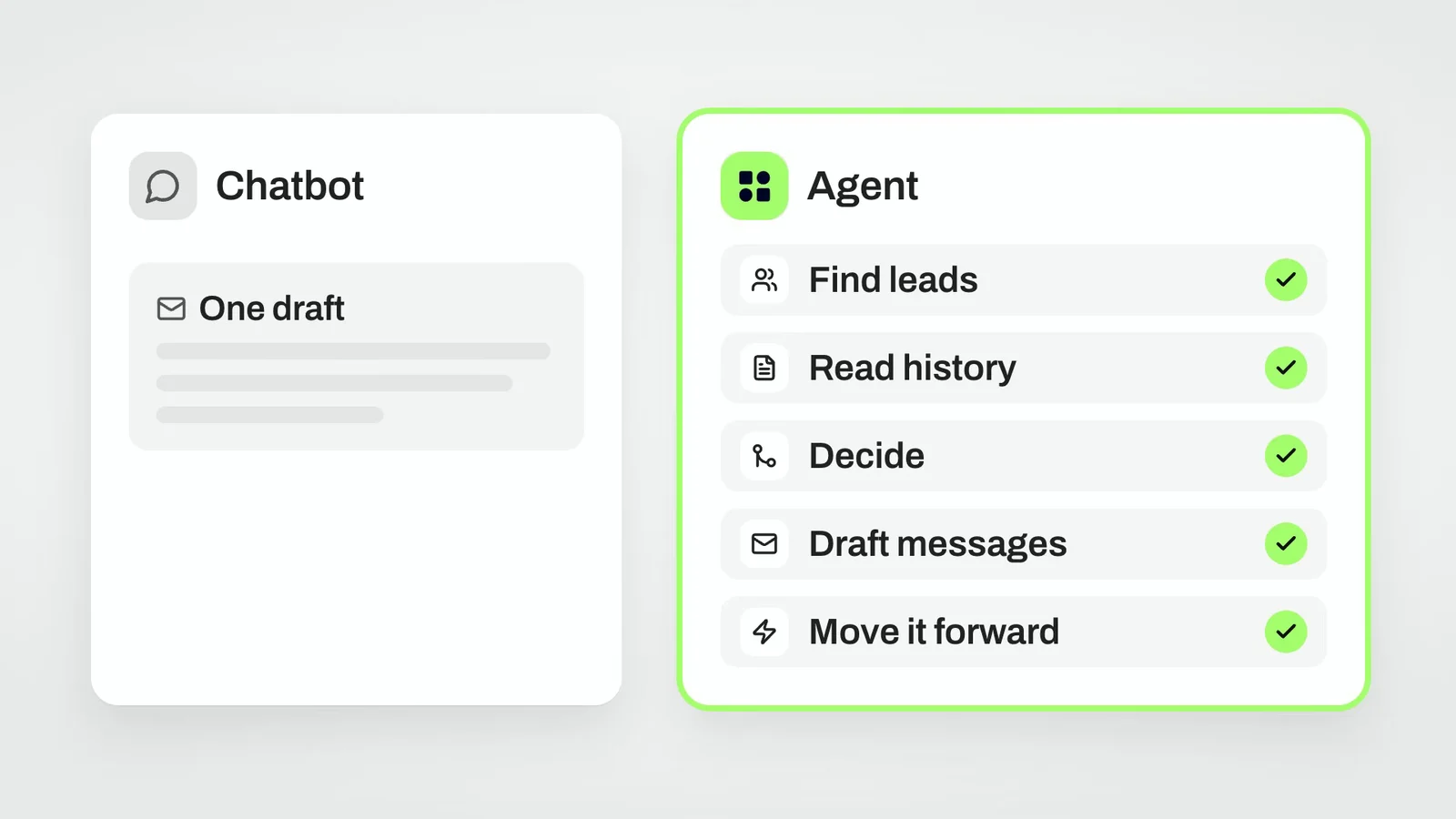
An AI agent is software that can work toward a goal and take multiple steps to get there. Say I tell an AI: "Follow up with the leads who contacted us this week but haven't scheduled a consultation."
A chatbot can help me write the follow-up. An agent can potentially identify the relevant leads, understand their history, decide what follow-up makes sense, prepare the messages and move the workflow forward using the systems it is connected to.
That ability to plan, make decisions and use tools is what makes agents useful for business operations.
How is an AI agent different from basic automation?
Business automation has been around for years. A traditional automation might say: "When someone fills out this form, send this exact email." That is still very useful when the steps are predictable.
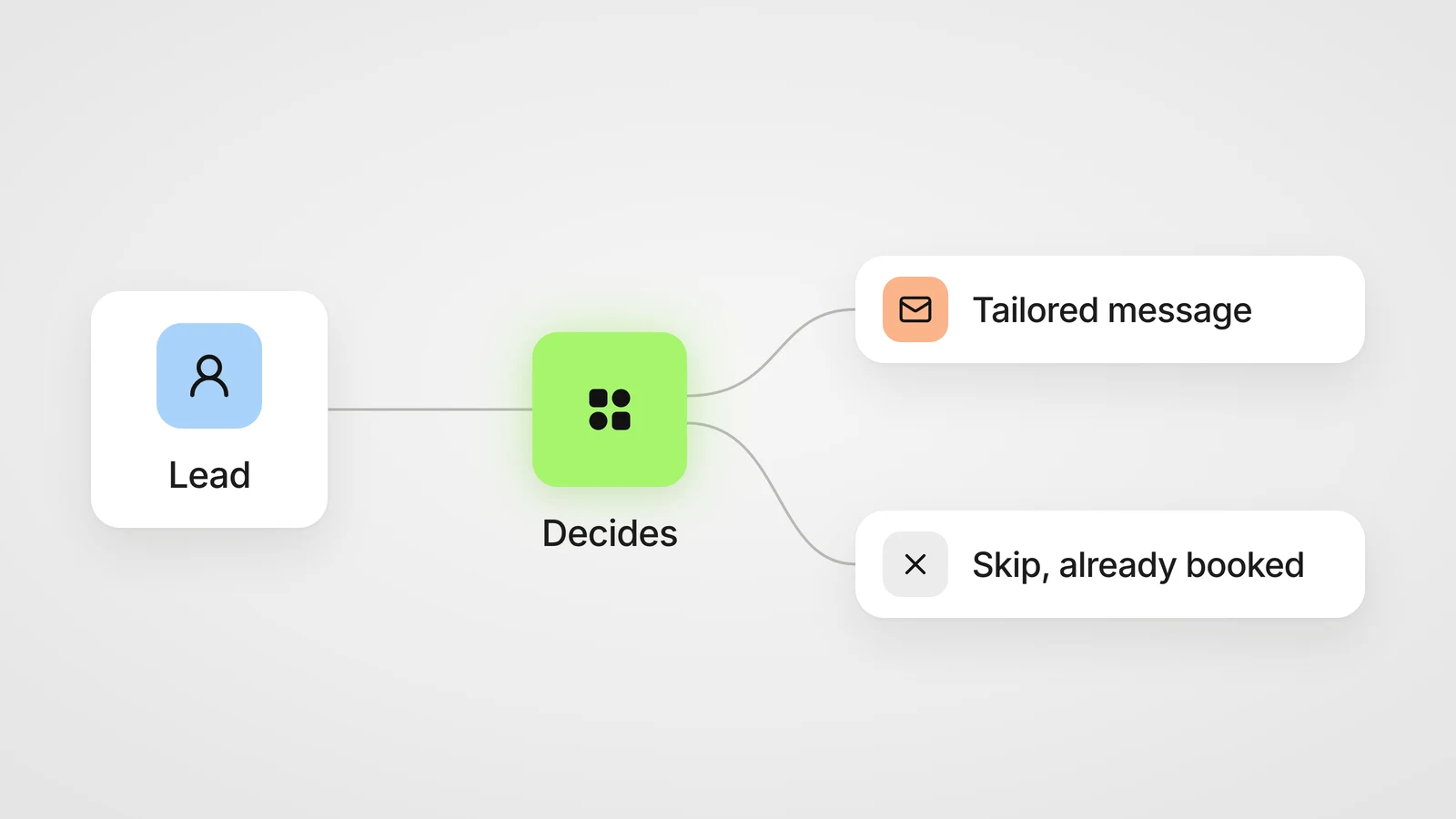
An AI agent adds decision-making inside the process. Different leads may need different messages. Someone who already scheduled should not get another follow-up. One inquiry may look valuable enough that the owner should see it right away. That is the kind of judgment call the agents in Symphony by Wix are built to make.
I see traditional automation and agents as complementary. If a simple rule solves the problem, use the simple rule. Agents become more useful when a workflow needs judgment, context or several changing steps.
What is multi-agent orchestration?
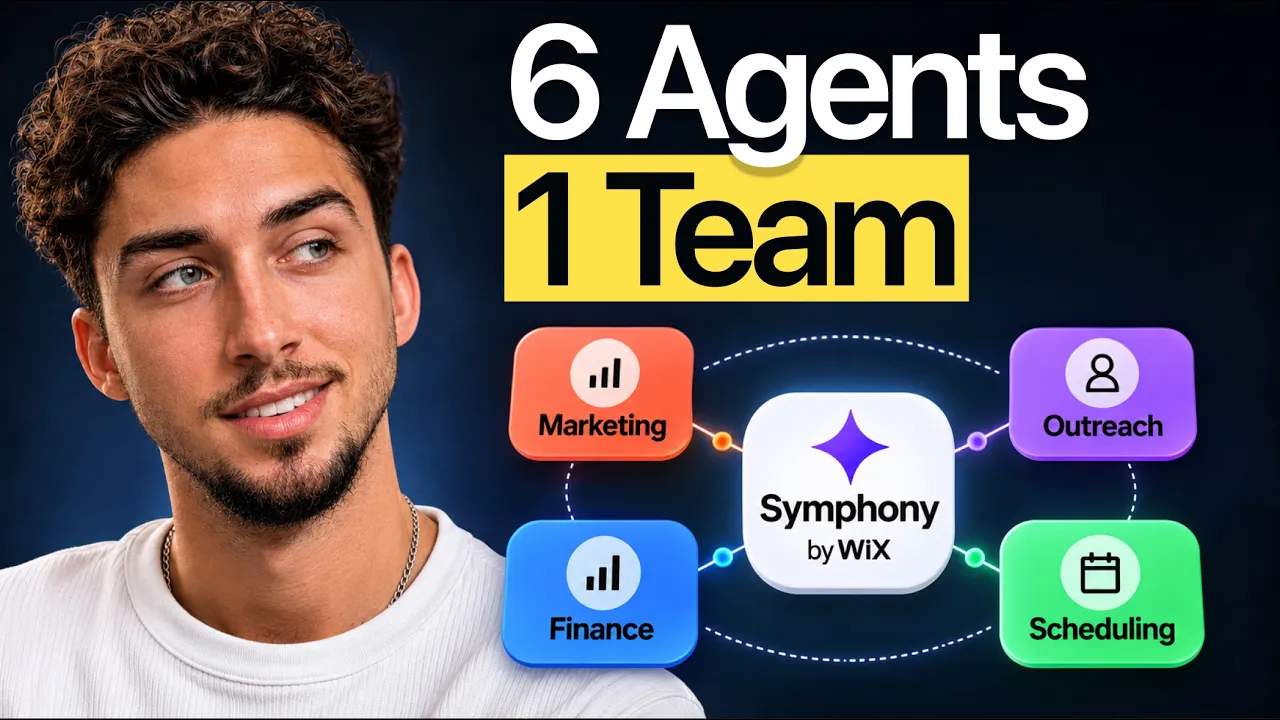
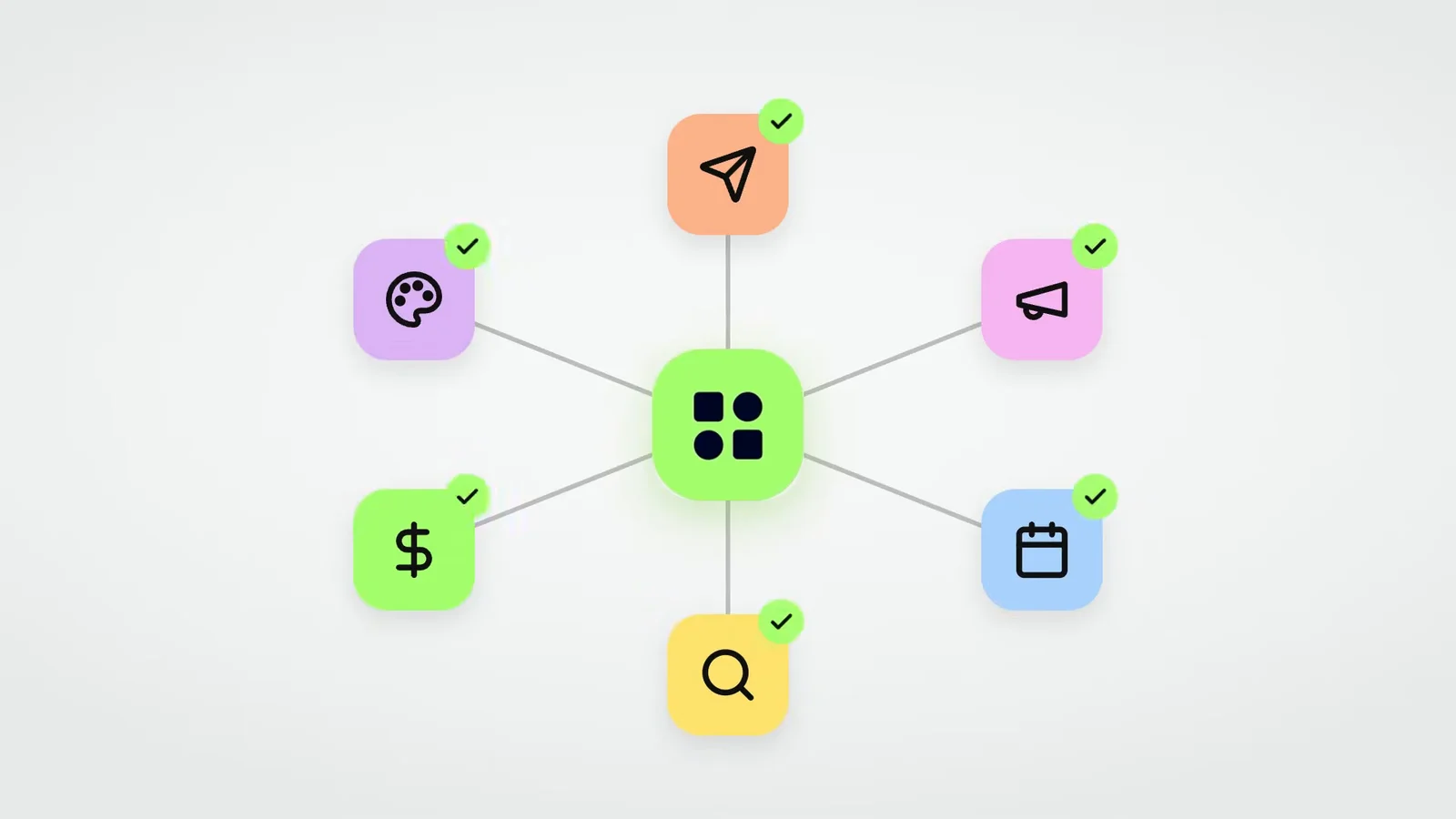
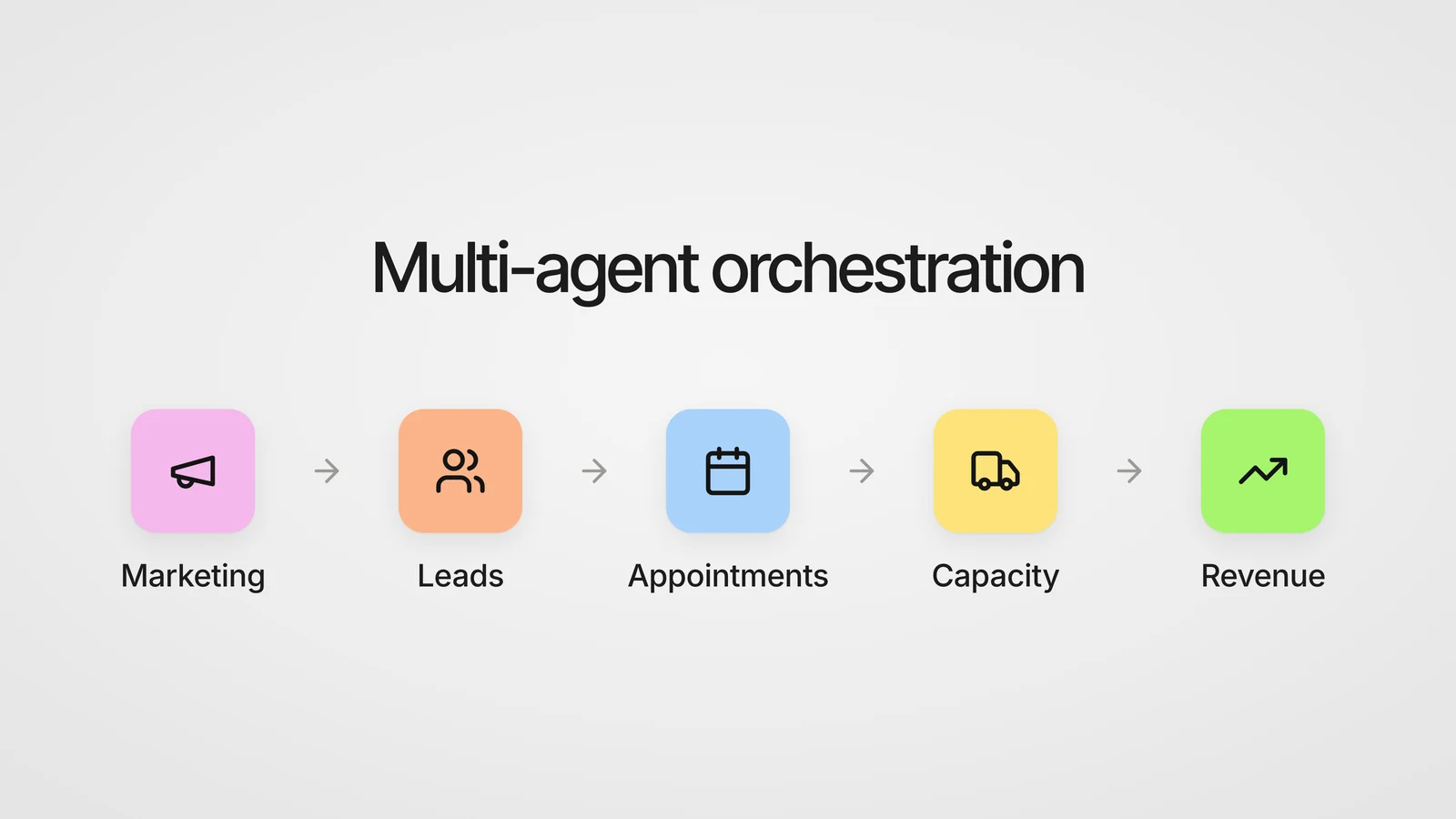
Now give the business several specialized agents. One handles marketing, another scheduling, another outreach, another finance. One orchestrator coordinates the whole team. This is called multi-agent orchestration.
It matters because business functions are not isolated. Marketing influences leads. Leads turn into appointments. Appointments affect capacity. All of that affects revenue. When each agent understands what is happening elsewhere, the agents can work toward the same goals instead of acting like a pile of disconnected AI apps.
That is the model behind Symphony by Wix, which coordinates built-in, custom and external agents through one orchestrator.
What does an agent team look like for a real business?
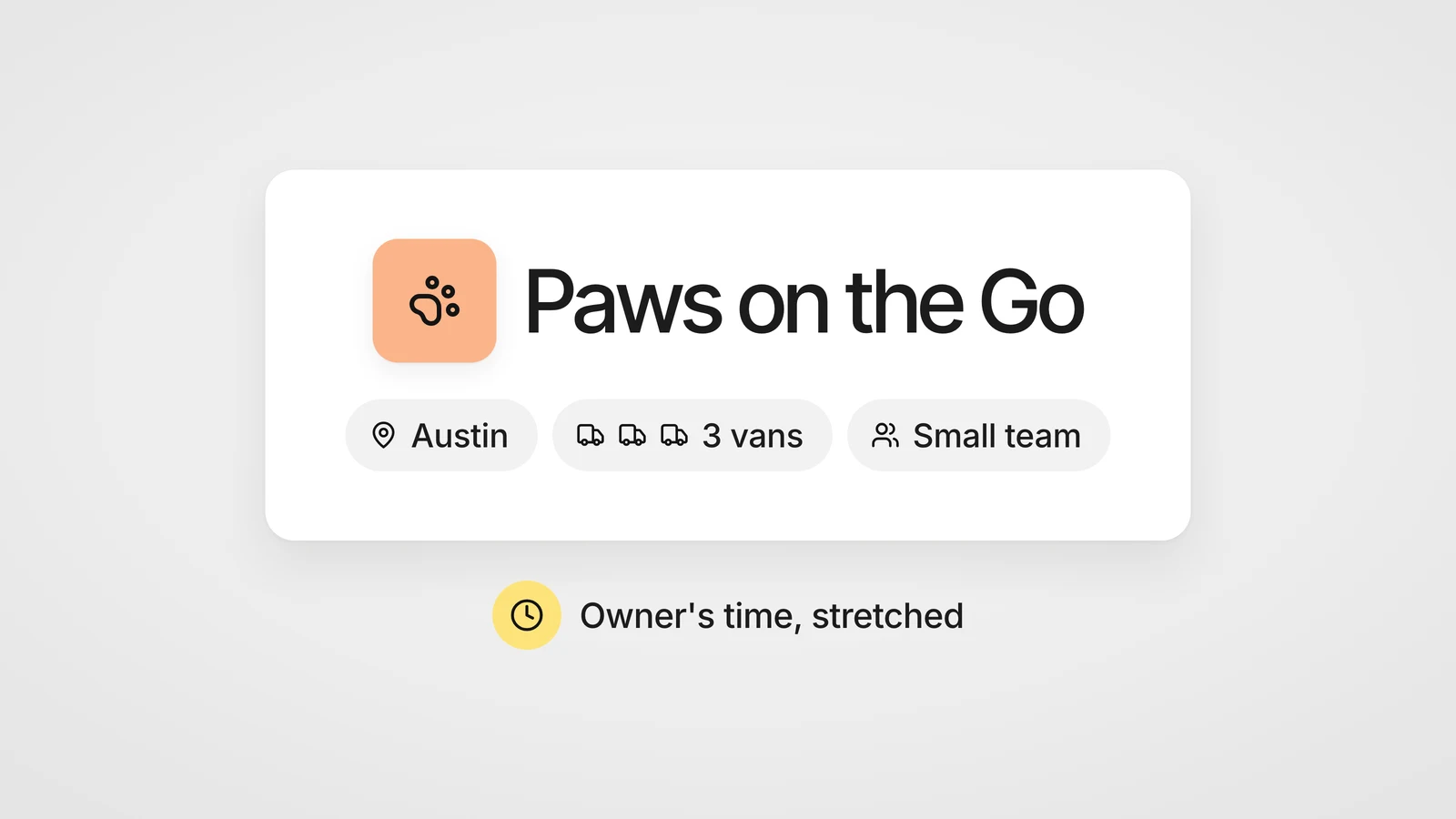
To make this practical, picture a fictional mobile dog grooming business called Paws on the Go in Austin. It has three vans and a small team. Business is going well, but the owner spends a lot of time keeping things moving.
New customers send inquiries. Appointments have to be scheduled around different parts of the city. Customers need reminders. Past customers should eventually book again. The company wants to market more consistently, and invoices and payments need tracking. That is enough moving parts to see where an agent team helps.
What are the six built-in agent areas in Symphony by Wix?
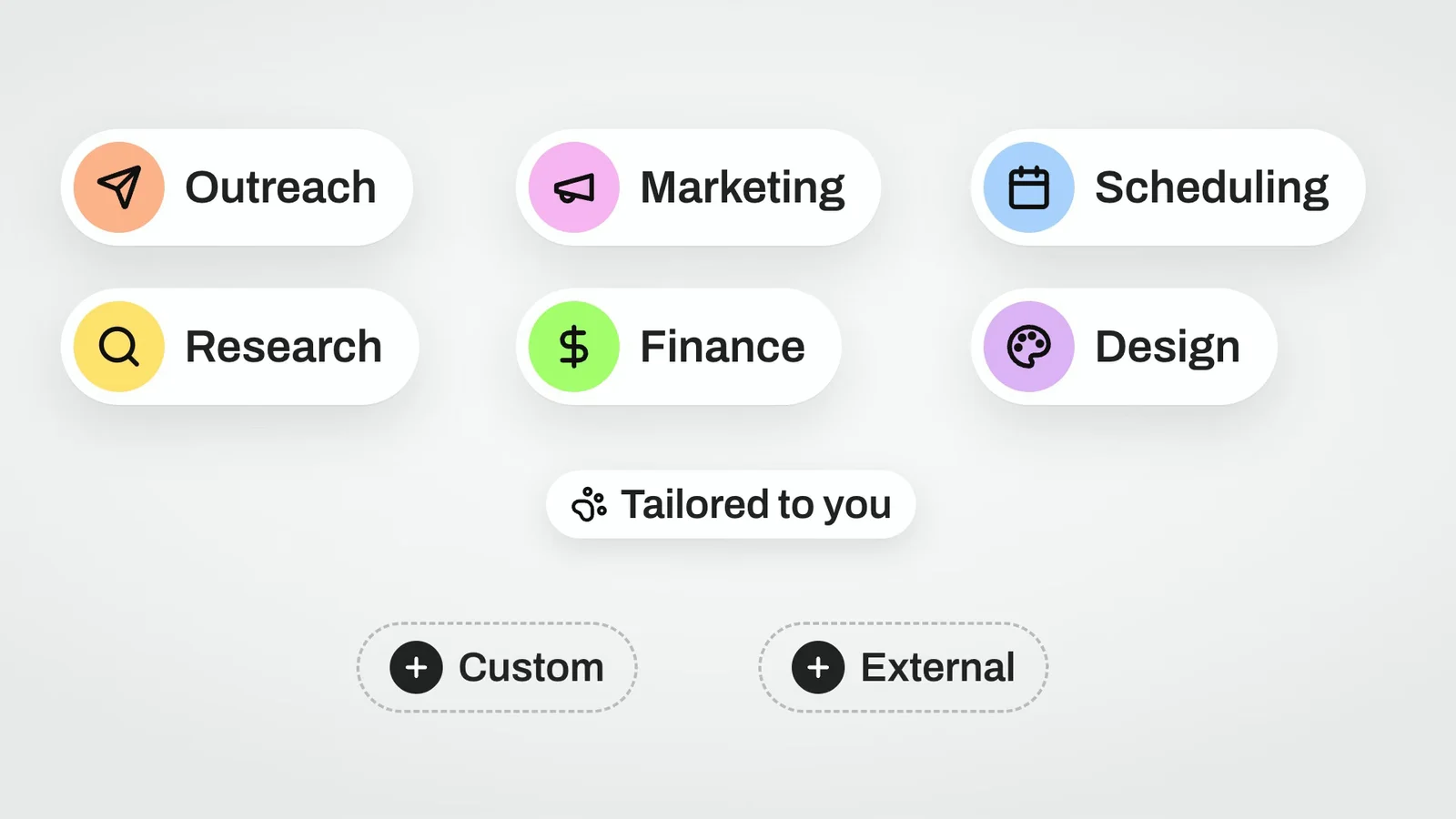
Symphony by Wix comes with six built-in specialist areas: outreach, marketing, scheduling, research, finance and design. Each one is tailored to your business from the start, and you can add custom or external agents on top. For Paws on the Go, they could work like this:
- Outreach can handle new inquiries, follow-ups, confirmations and reminders.
- Marketing can help maintain campaigns and social content, or react when the business has capacity it wants to fill.
- Scheduling can manage appointments and monitor booking activity.
- Research can gather information and surface useful business insights, so the owner does not dig through everything by hand.
- Finance can monitor revenue, payments and overdue invoices.
- Design can help produce brand-consistent creative assets and content.
Symphony by Wix draws on 20 years of Wix experience from more than 300 million businesses. What matters more to me is that I do not have to build any of these specialists myself. They are designed around common business functions, and they get sharper about my business the more I use them.
How do you get started with Symphony by Wix?
Symphony by Wix is standalone, so you do not need a Wix website to use it. You go to wix.com/symphony wix.com and start a conversation.
At the center is the orchestrator, called Maestro. Instead of configuring each agent, you explain the business to Maestro almost like you are onboarding a new employee. For Paws on the Go, that could sound like this: "We're a mobile dog grooming company in Austin with three vans. Our biggest problems are scheduling appointments efficiently, following up with new leads, increasing repeat bookings, and maintaining consistent marketing."
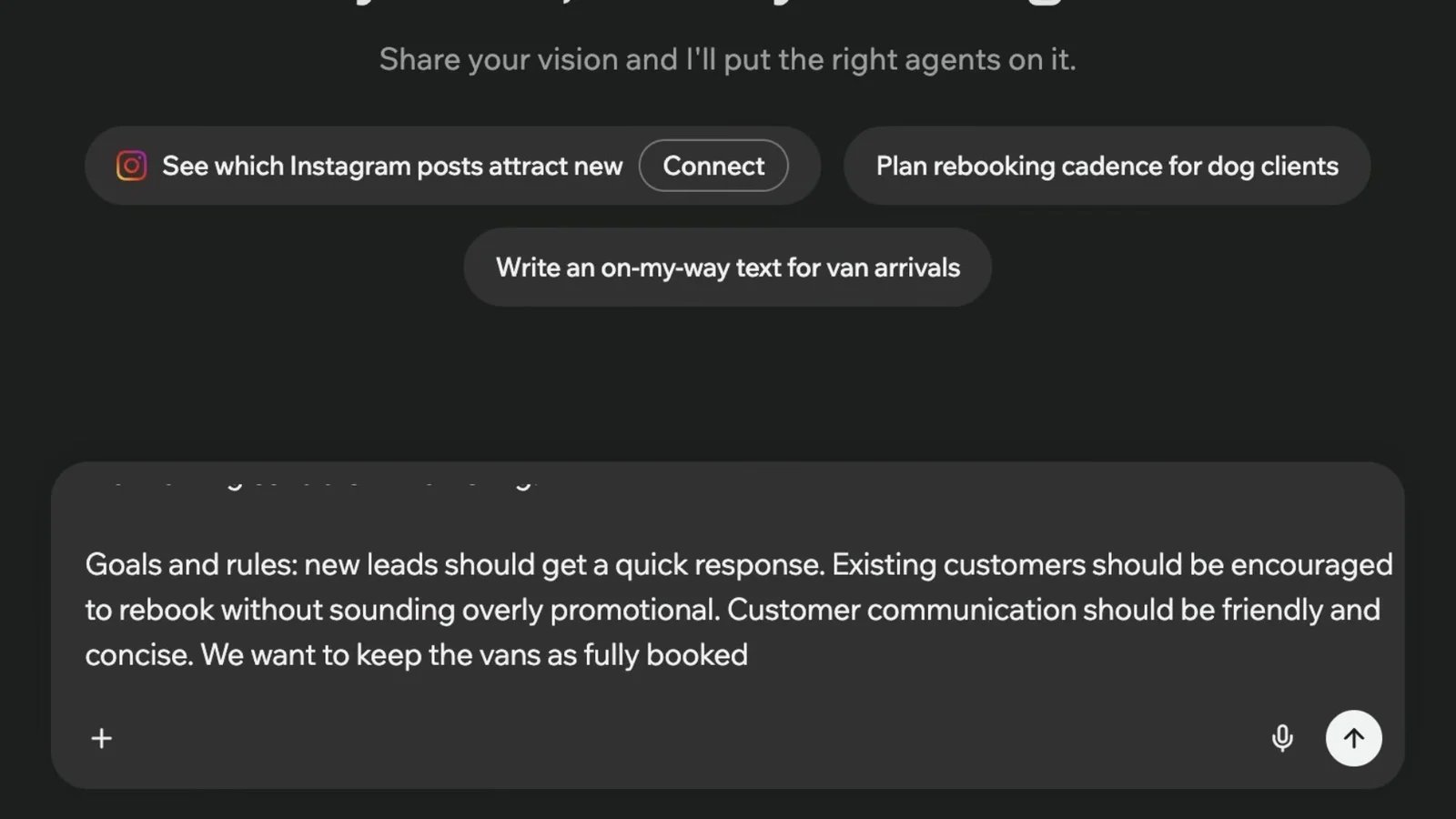
Then you add goals and rules: "We want new leads to get a quick response. Existing customers should be encouraged to rebook without sounding overly promotional. Customer communication should be friendly and concise. And we want to keep the vans as fully booked as possible."
That is very different from setting up a traditional automation. You describe the outcome and the business context instead of building every step by hand.
How does Symphony by Wix build around your business?
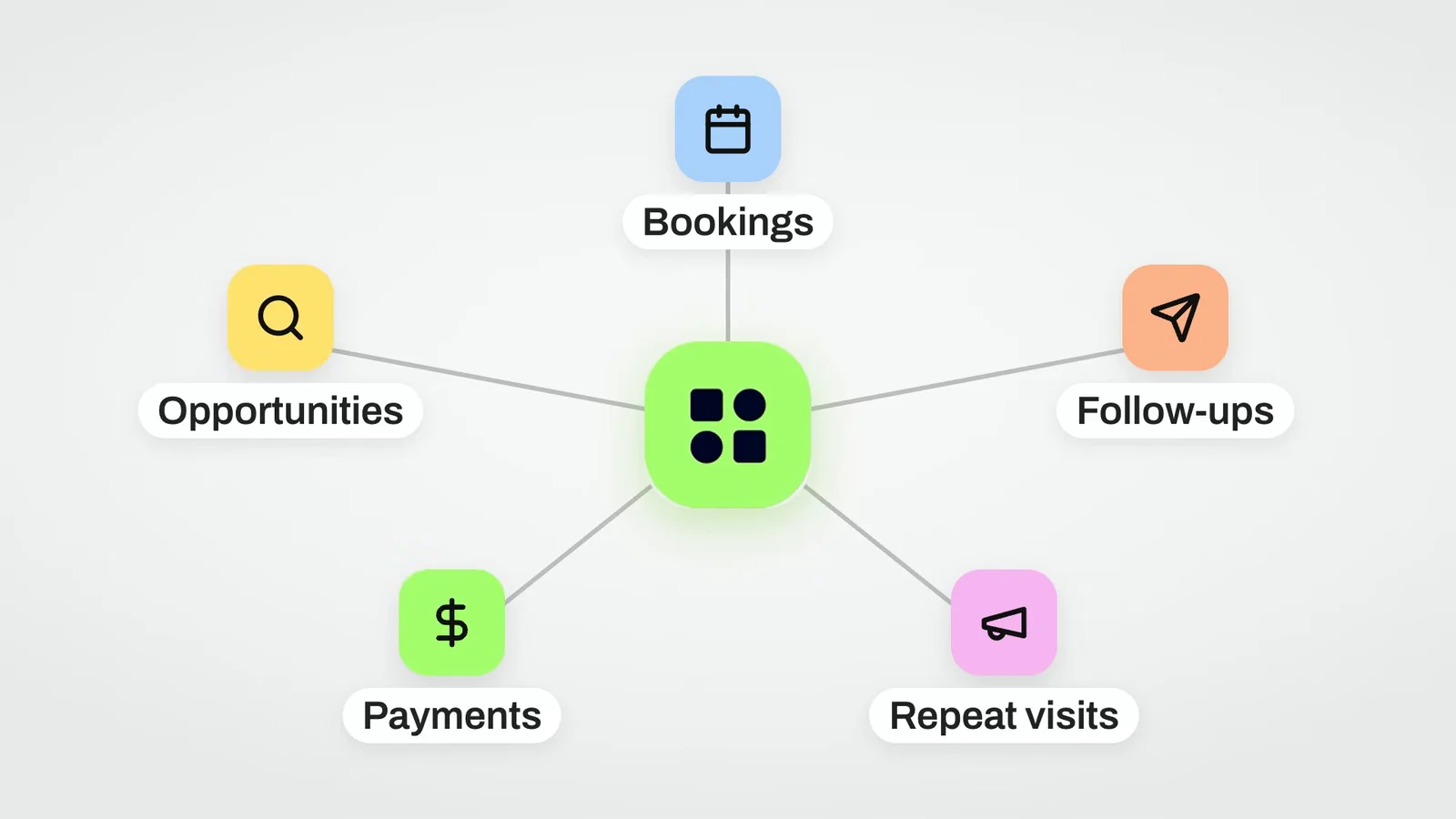
From there, Symphony by Wix builds its understanding of the business and coordinates the right agents. Scheduling and outreach matter most for Paws on the Go. Marketing can support repeat bookings and help fill quiet periods. Finance can watch for payment problems. Research can surface opportunities or information that could affect the business.
Maestro handles the routing behind the scenes. If a request needs both scheduling information and outreach, you do not decide which agent goes first.
The agents also share context. Scheduling might find unused capacity next Thursday. Marketing can use that. Outreach can find previous customers who are due for another appointment. The different parts of the business start informing each other.
Which tools can you connect?
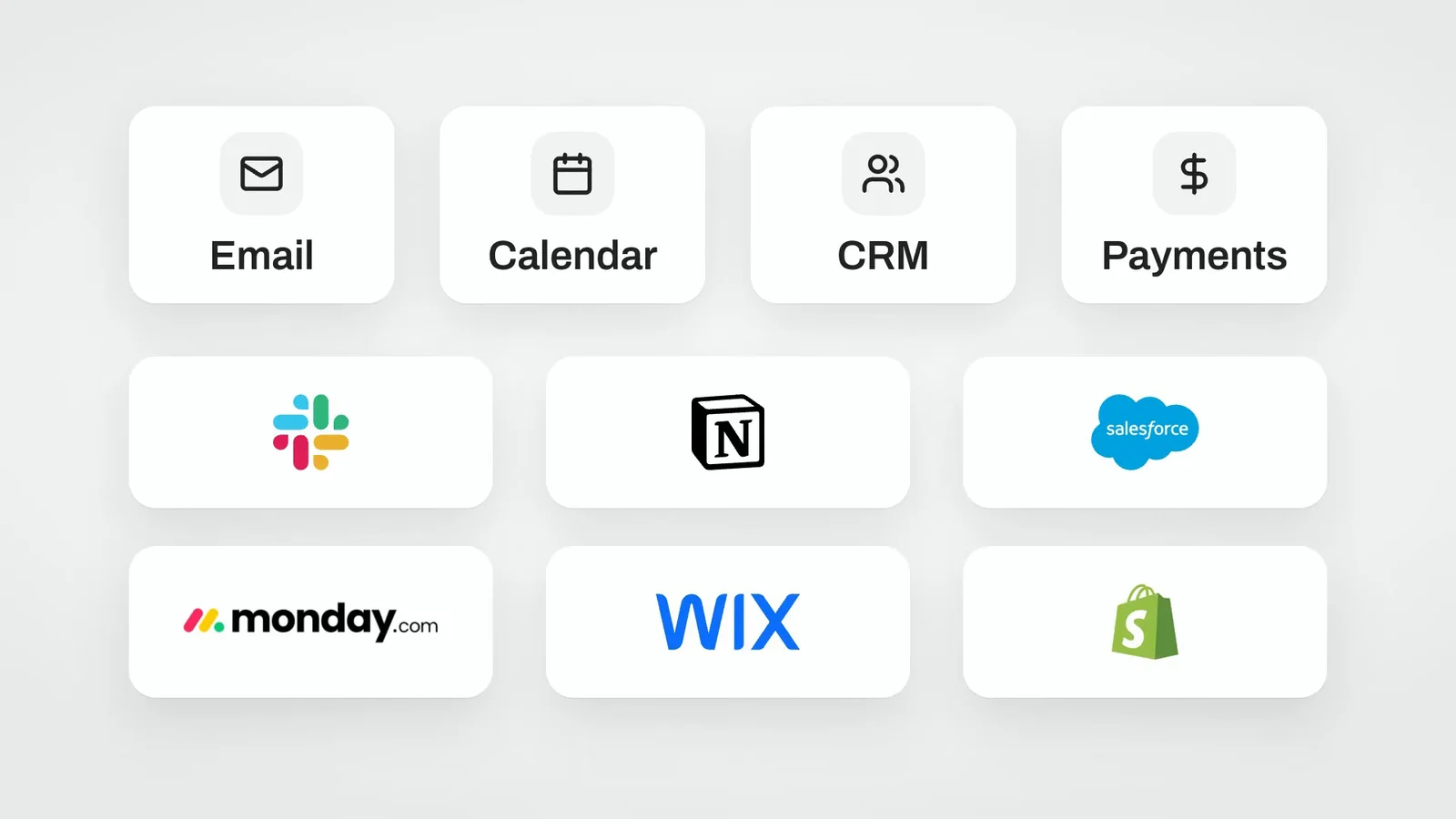
Next you connect the tools where the work happens. Symphony by Wix supports connections with email, calendars, CRM systems, payments, Slack, Notion, Salesforce, Monday, Shopify, Wix and more.
For Paws on the Go, I would start with the inbox and calendar, then add the systems that hold customer and payment information. I would not connect everything at once. I would connect only the systems tied to the workflows I am handing over. With those connections in place, the agents have useful context and can take part in real business workflows instead of only giving advice.
What is proactive AI, and how does approval work?
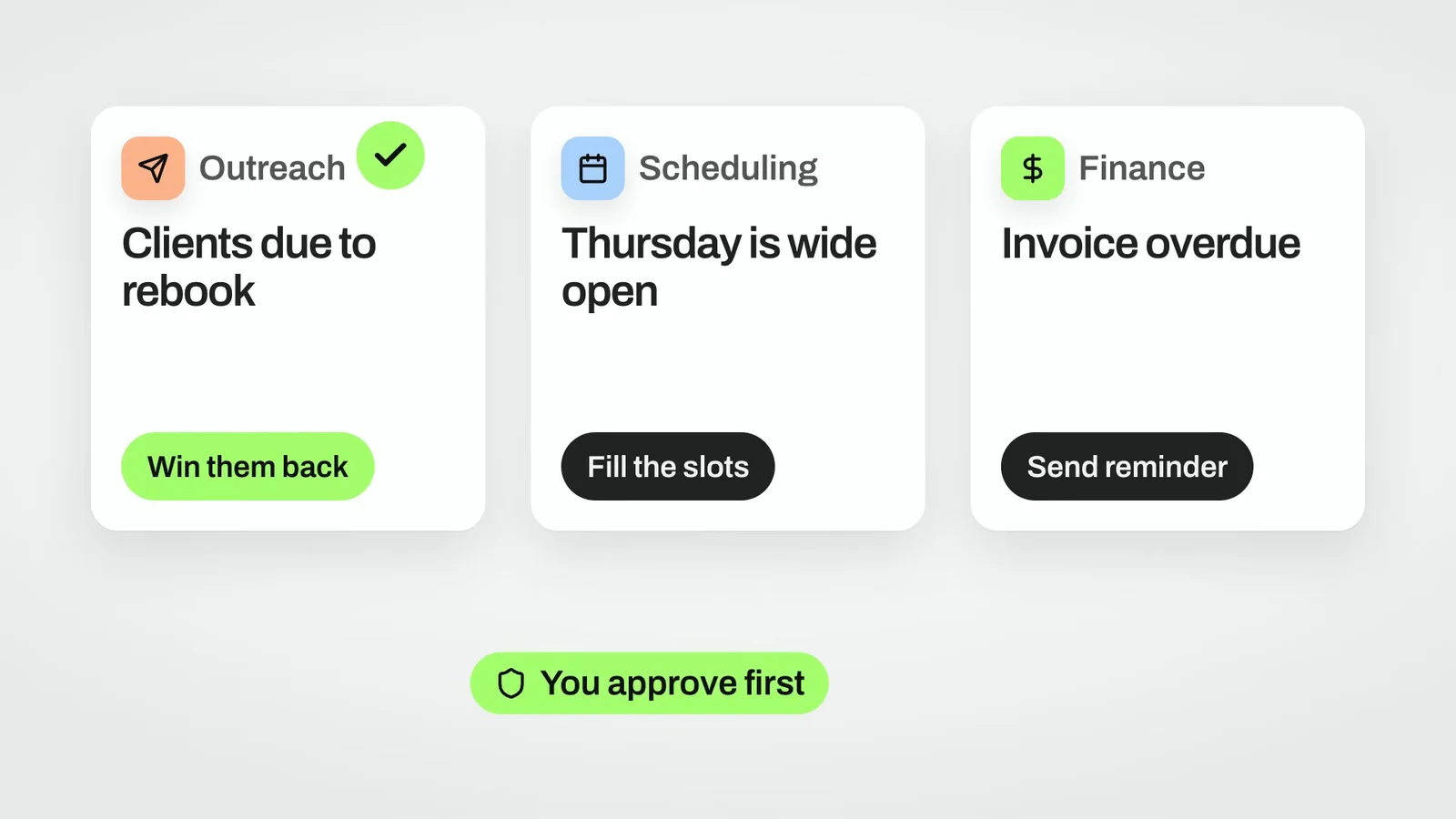
Most AI tools depend on you noticing something and asking about it. Symphony by Wix is designed to bring up things that deserve attention on its own.
Several customers may not have booked again within their normal grooming interval, which is an outreach opportunity. Thursday may have a lot of open capacity, which is a scheduling or marketing opportunity. An invoice may be overdue. Symphony by Wix brings you the next move, and you approve what you want it to do. That approval layer is built in, so you stay in control of important actions before they happen.
What does day-to-day use look like?
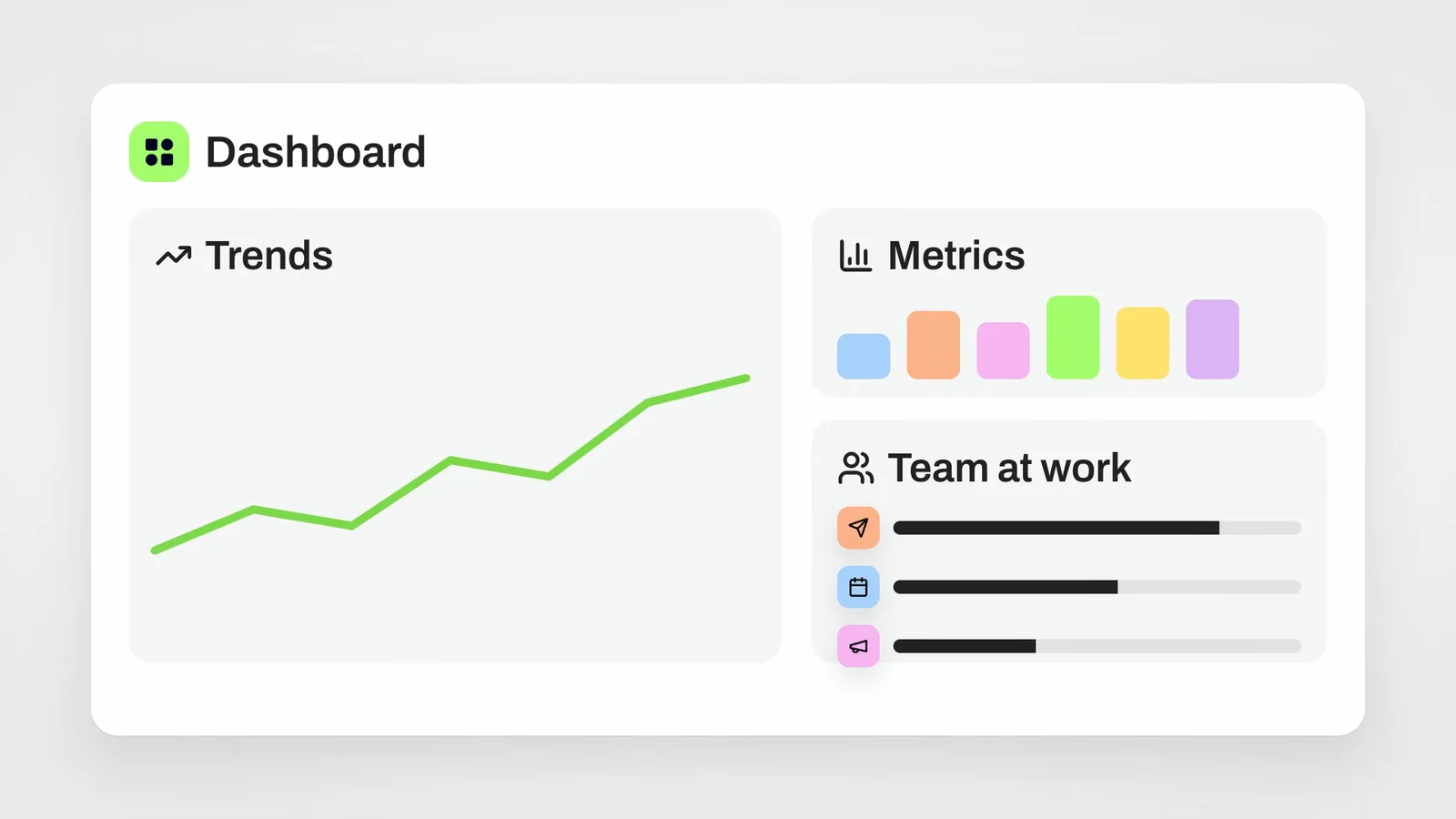
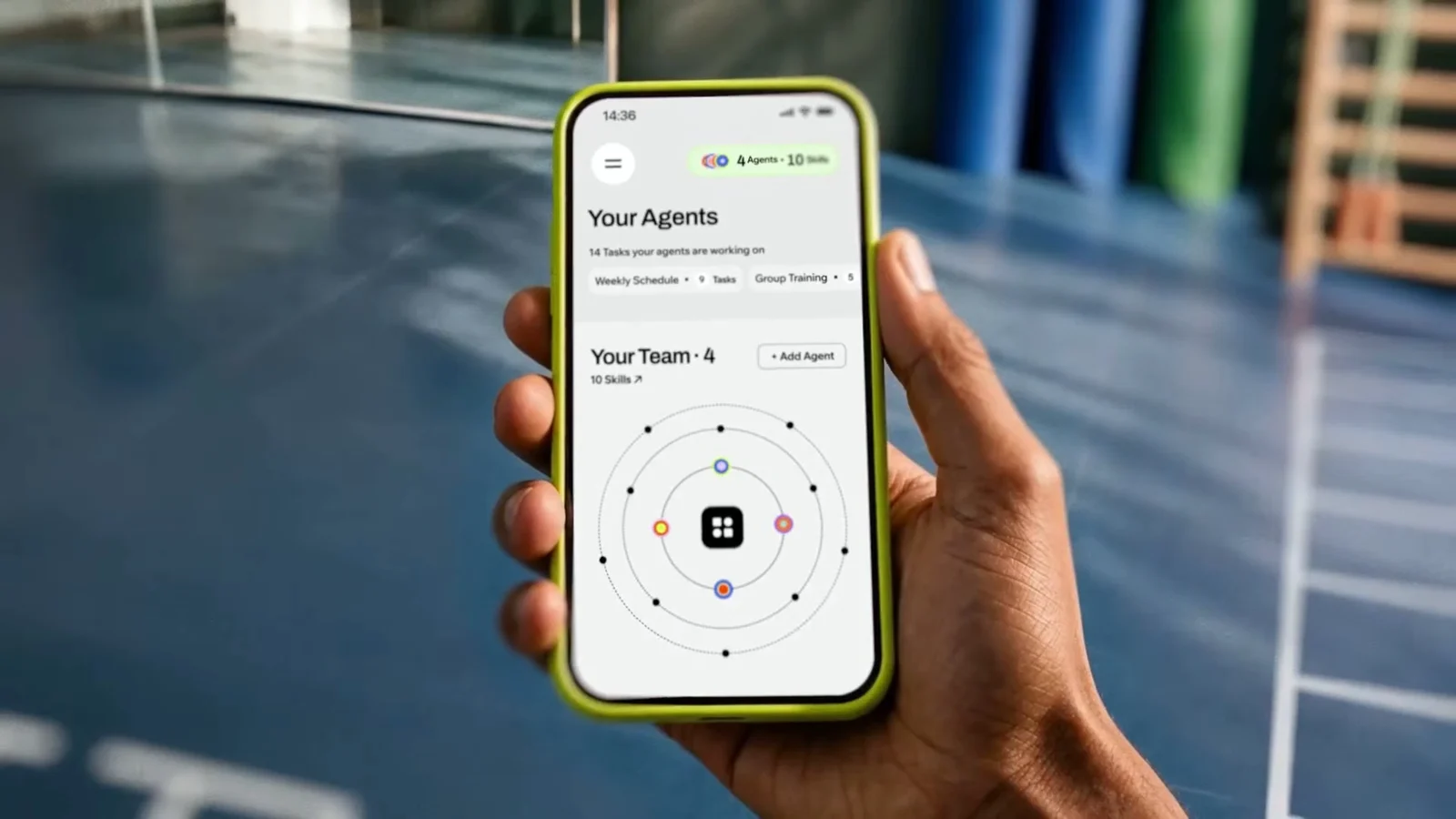
Symphony by Wix learns more about the business as you use it, including your goals, preferences and corrections. It gives you a visual dashboard with trends, metrics and what the agent team is working on.
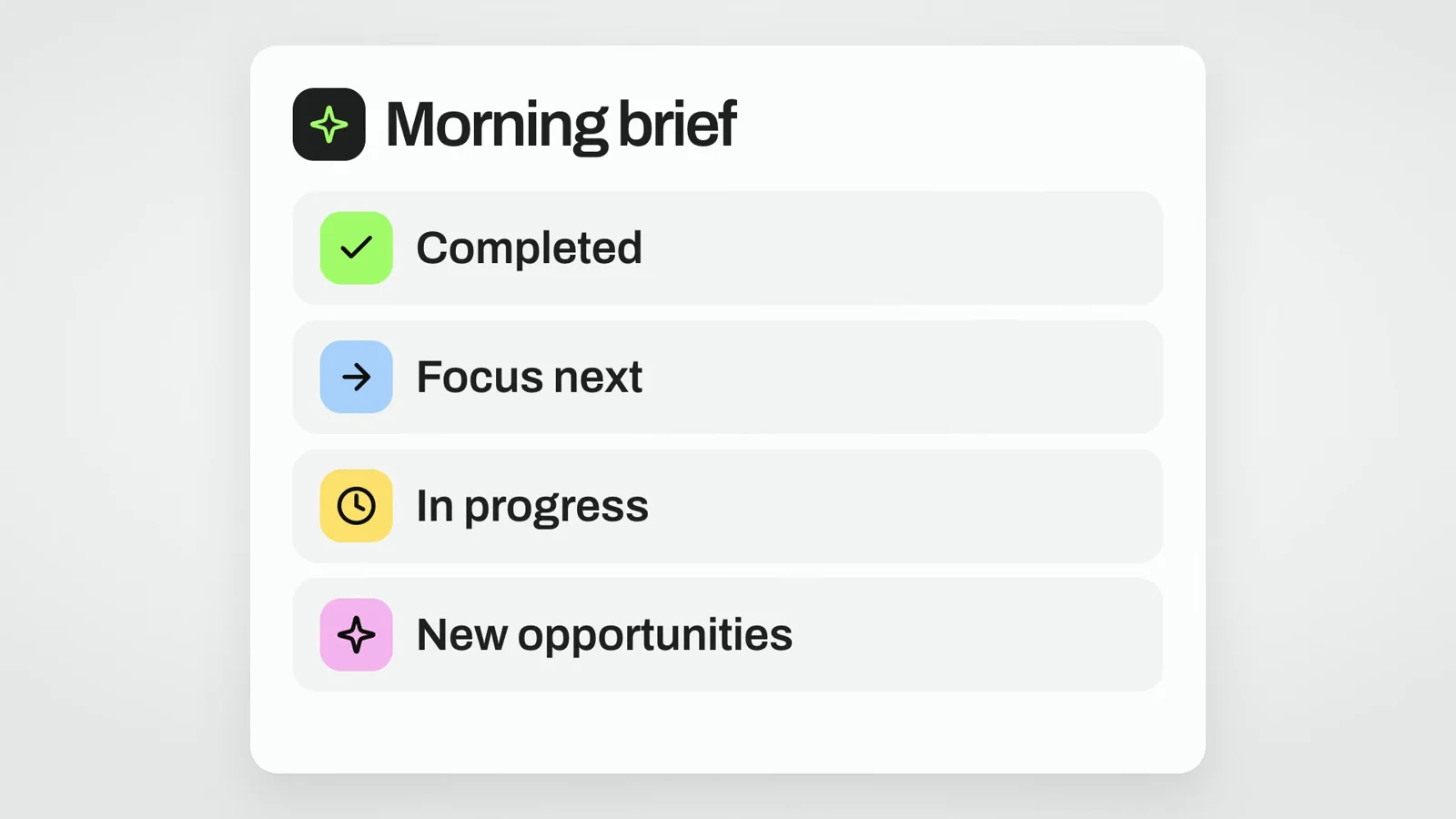
It also has a daily morning brief that summarizes what the agents completed and what they recommend focusing on next. Instead of opening several tools to work out what needs attention, you start the day with a summary of where things stand, tasks in progress and new opportunities.
Symphony by Wix is also designed to work from mobile. That suits a business like a mobile grooming company, where nobody sits at a desk all day.
Can you add custom or external agents?
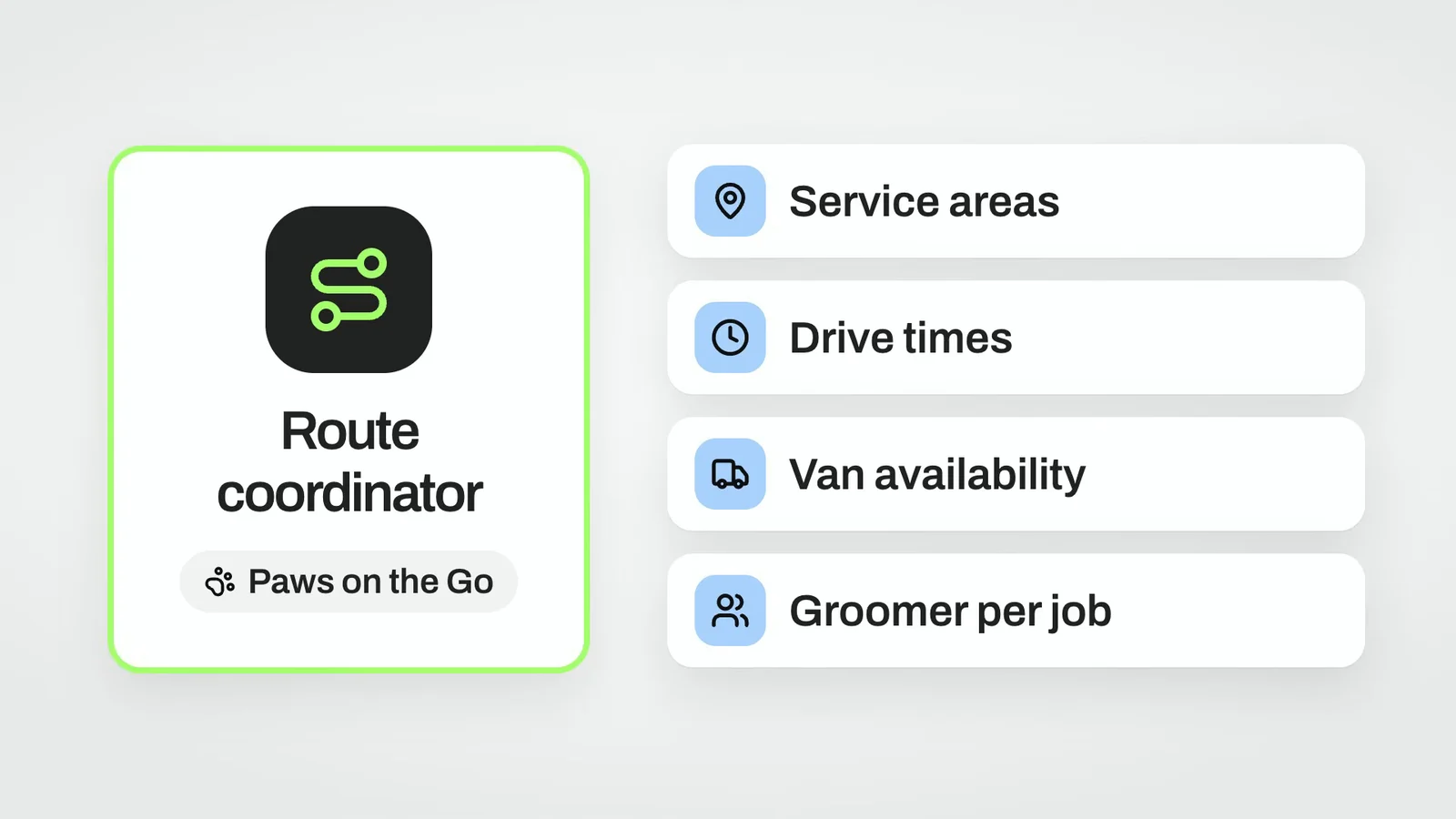
The six built-in areas are not a limit. Symphony by Wix supports custom agents configured around your own rules, tone and logic. Paws on the Go might eventually want a Route Coordinator that understands service areas, drive times, van availability and which groomer handles which appointment. That could be a custom agent in the same environment.
Symphony by Wix also works with external agents from third-party providers, so the team can grow as the business gets more complex.
Who are AI agents for small business best for?
The clearest fit is an independent business owner or small team with enough operational complexity to feel overwhelmed, but no engineering or automation team. Service businesses are an obvious example. So are consultants, creative businesses, small retail teams and small ecommerce businesses such as Shopify merchants.
If you are a developer who wants to design every agent, tool call and workflow yourself, I would look at a more technical platform. Symphony by Wix is built around a different idea: the owner explains what they want to achieve, and the platform handles more of the agent orchestration.
FAQ
They are software that works toward a goal across several steps. They can plan, make decisions and use connected tools. For example, an agent can find leads who have not booked yet, check their history, prepare follow-up messages and move the work forward.
No. A chatbot can help you write a follow-up message. An agent can potentially find the right leads, decide what follow-up fits, prepare the messages and move the workflow forward in the systems it is connected to.
No. Symphony by Wix is standalone. It works with businesses whether or not their website is built on Wix. You start at wix.com/symphony with a conversation about your business.
Yes. Symphony by Wix brings you the next move, and you approve the actions you want it to take. That approval layer is built into the system, so you control important actions before they happen.
Symphony by Wix has six built-in areas: outreach, marketing, scheduling, research, finance and design. You can add custom agents built around your own rules, and external agents from third-party providers.
Developers who want to architect every agent, tool call and workflow themselves will likely prefer a more technical platform. Symphony by Wix is built for owners who want to explain their goals and let the platform handle more of the orchestration.
The bottom line
AI agents for small business get more interesting when you stop thinking about individual AI tasks and look at the workflows that connect the whole operation. Outreach affects scheduling. Scheduling affects capacity. Capacity affects marketing. All of it affects revenue.
With Symphony by Wix, you start with a conversation, give it context about the business, connect the systems that matter and build an agent team around your goals. That is a bigger shift than adding another AI tool to your stack.
Watch the full video, AI Agents for Small Business: One Team, Not Ten Tools, on my YouTube channel: youtube.com
#WixPartner: this article was created in paid partnership with Wix. All opinions are my own.